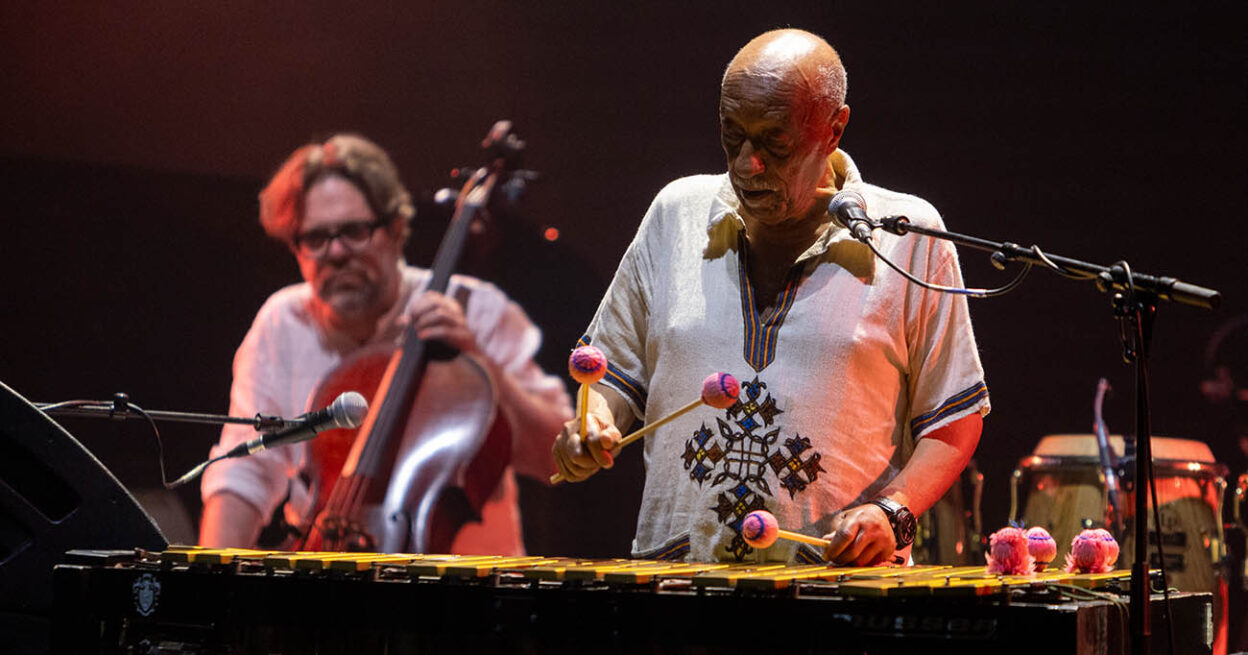
It is often said that engineers become inventors because they possess the technical knowledge, discipline and imagination needed to turn ideas into functional realities. Mulatu Astatke’s story makes that connection feel especially apt.
Born in Jimma, Ethiopia, Astatke initially travelled to Lindisfarne College near Wrexham in North Wales to study engineering before switching to music. That decision ultimately led him to create what became known as Ethio-jazz, a distinctive fusion of traditional Ethiopian musical modes and pentatonic scales with Western jazz, Latin rhythms and orchestral textures.
Appearing at Meltdown Festival with an eight-piece band, Astatke led from behind a large vibraphone, opening with a haunting jazz mêlée that gradually gave way to bossa nova rhythms and sixties big-band soundtrack flourishes. The Royal Festival Hall audience watched in focused, almost mesmerised stillness before rewarding Astatke and his band with extended, passionate applause.
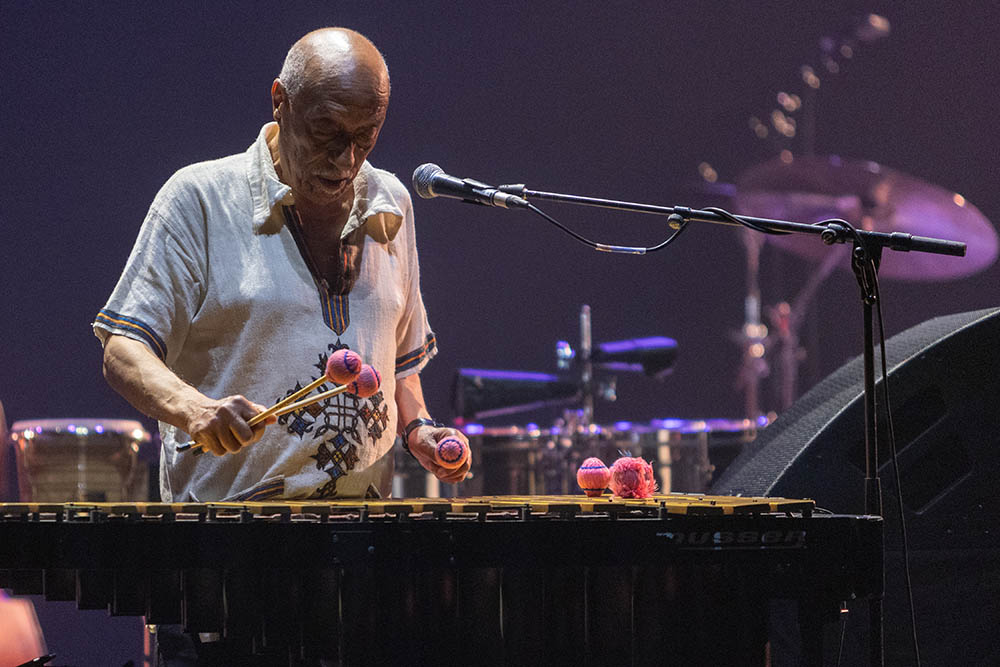
At several points, Mulatu had to wait for the clapping to fade before continuing. He then introduced “Yèkèrmo Sèw,” taken from his 1972 Ethio Jazz album, a title that translates from Amharic as “a man of experience and wisdom.”
That sense of experience and wisdom ran through the performance. “Yèkèrmo Sèw” moved through tango-like rhythms, vibraphone lines, an unmistakable Addis Ababa atmosphere, Arabian-sounding riffs, tenor saxophone and trumpet. As Astatke switched to percussion, the piece became even more mysterious, with distressed trumpet phrases and abrupt rhythmic turns keeping the audience suspended between recognition and surprise.
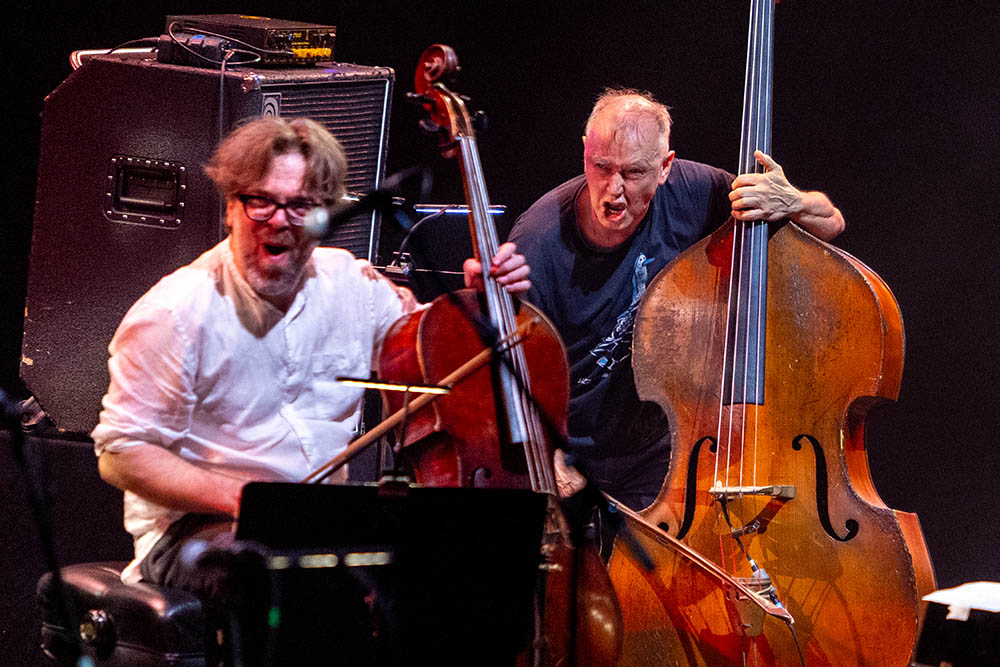
Astatke also reimagined the traditional upbeat wedding melody “Kulun Mankwaleshi,” with flute and double bass helping to create a youthful, hopeful atmosphere. Rather than spiralling into chaos, the piece opened into warm, swooshing reggae-like textures, before Astatke’s tribal percussion solo drew spontaneous clapping from the Royal Festival Hall crowd.
Mulatu’s genius lies in his ability to connect Western musical forms with the roots of Ethiopian tradition. His work finds common ground between Ethiopian scales and jazz language, between Addis Ababa and New York, between ancient folk forms and modern improvisation. At one point, Herbie Hancock-style funk fused with carnival energy; elsewhere, cello lines were played with the attack of a guitar, while organ riffs recalled the mood and colour of The Doors.
When Astatke returned to Ethiopia in the early seventies after studying internationally, his unusual combinations of instruments and styles were not immediately embraced. Yet his persistence, originality and loyalty to his homeland helped make him a national emblem. His global reputation was later further cemented when “Yèkèrmo Sèw” appeared on the soundtrack to Jim Jarmusch’s 2005 film Broken Flowers.
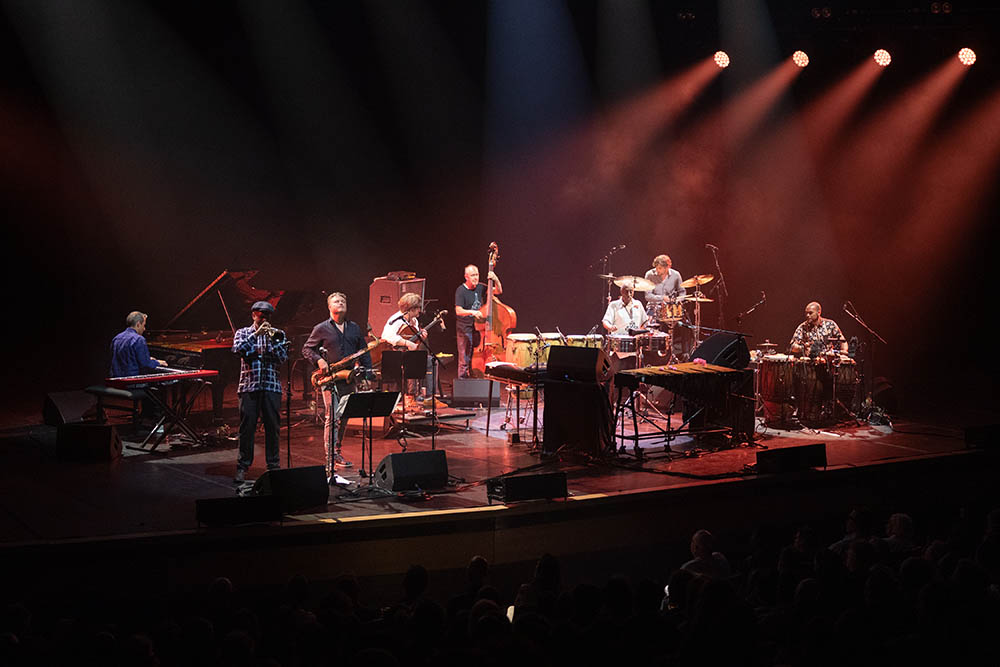
At the Royal Festival Hall, it was easy to understand why his music continues to resonate. This was not jazz as museum piece, nor fusion as novelty. It was living, breathing music shaped by memory, invention, discipline and deep cultural identity.
The 31st edition of Meltdown may well be remembered not only for Harry Styles’ intimate performance with the Jules Buckley Orchestra, but as the year jazz quietly took centre stage. From Kamasi Washington earlier in the festival to Mulatu Astatke’s closing Ethio-jazz masterclass, the Royal Festival Hall witnessed music that felt expansive, spiritual and timeless.

Be the first to comment