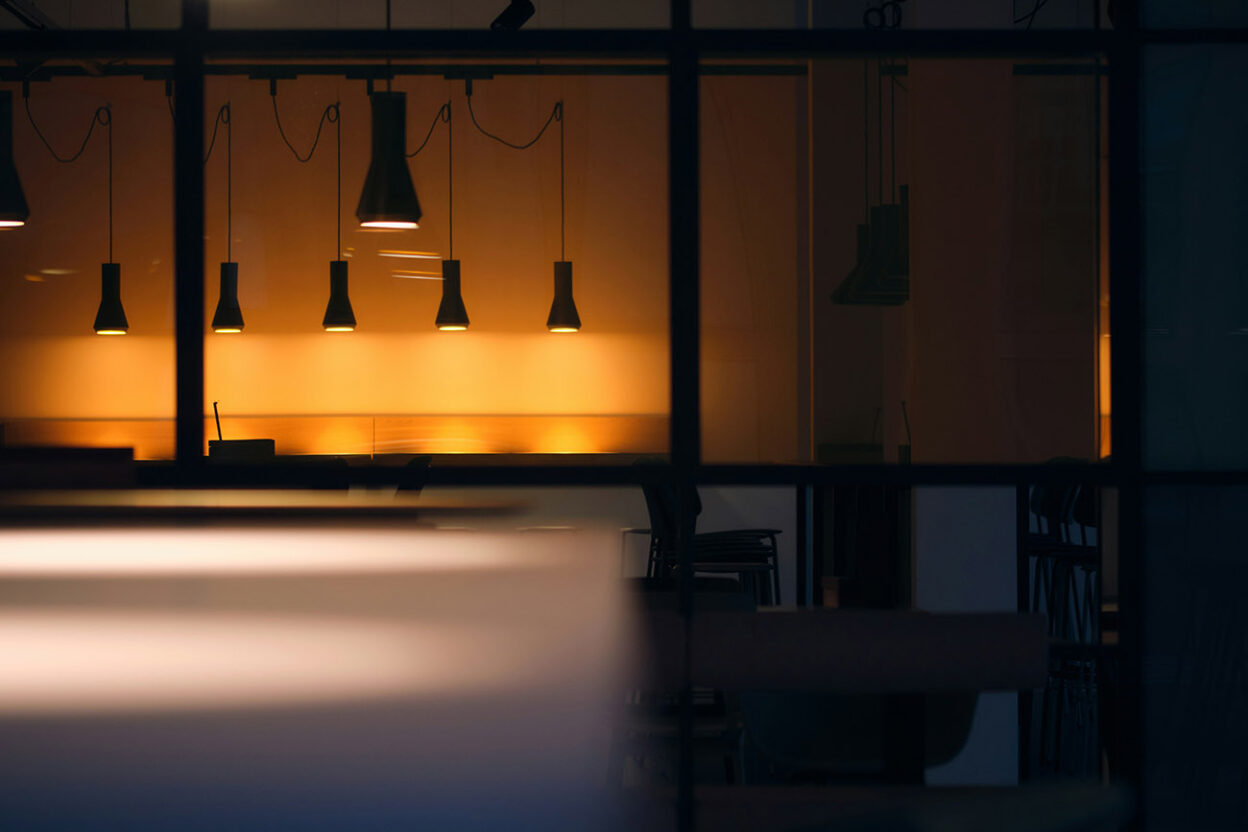
What makes a place feel worth staying in is rarely just visual. A café can be beautifully designed and still feel cold, or a shop can be crowded and still feel flat; the same goes for a hotel bar that looks expensive yet somehow fails to land.
Often, the missing piece is not visible at all.
Music shapes spaces in ways people register before they explain them. It controls pace, softens edges, fills dead air, and gives a room its social rhythm. Across cafés, hotel lobbies, shops, gyms, offices, and waiting rooms, sound now sits beside lighting, layout, and scent as part of the space itself.
Sound arrives before interpretation
The ear usually gets there before the eye has finished reading the room. Walk into a bar, lobby, or shop, and the soundtrack starts sorting the place almost immediately: calm or hurried, polished or cheap, youthful or stale.
That is why sound design now turns up in conversations once reserved for architects, brand teams, and fit-out consultants. A carefully built room can feel thinner within seconds if the playlist is wrong, just as a modest room can gain confidence simply because the audio choices are doing their share of the work.
Retail learned to choreograph the room
Retail figured this out early. Music shapes browsing speed, dwell time, and a shopper’s reading of the brand, often with more force than people admit. The effect is rarely dramatic in isolation. It comes from calibration, the right sound for the hour, the crowd, and the spending the space is trying to encourage.
In that sense, music in retail spaces works like a quiet member of staff. It guides traffic, softens dead patches, and helps the room hold a consistent identity from opening to closing.
- Tempo and rhythm, which can stretch or compress the shopping clock
- Genre, which signals price point and cultural identity almost instantly
- Volume, which decides whether the conversation feels easy, awkward, or rushed
- Daypart changes, which help one venue handle very different crowds
Tempo changes the shopping clock
Fast music does not automatically lift sales, and slower tracks do not guarantee deeper browsing. Still, tempo changes perceived duration; ten minutes can feel brisk, leisurely, or oddly restless depending on what the room is doing sonically. On a crowded shop floor, that difference can decide whether a space invites lingering or gently pushes people along.
Hotels and bars sell atmosphere first
Hospitality is even more exposed to the effect because the atmosphere is part of the product. A hotel lobby can sound composed during a messy check-in rush. A cocktail bar can lean toward flirtation, theatre, or low-key comfort before the first drink arrives.
Hospitality branding lives in that extra layer. Menus, lighting, scent, uniforms, and interior finishes all help, yet the soundtrack is often what fuses them into a usable feeling. Without it, plenty of handsome venues read as expensive but emotionally blank.
The best rooms rarely chase impact through volume. They build continuity instead, letting afternoon sound drift toward evening identity without a jolt.
Leisure now moves between physical and digital rooms
Those habits now spill easily between physical and digital rooms. A work playlist, a live session clip, a stream opened for the company, a casual game during a commute, they all sit inside the same search for a manageable atmosphere.
That overlap also explains why the language around playlist curation can sit comfortably beside other forms of everyday screen leisure. Someone looking for a quick mood lift may bounce from a café mix to a stream, then to a search term like best new bingo sites, without feeling they have switched rituals entirely. And ultimately, the through-line is pacing, habit, and easy immersion.
Offices are still arguing with their playlists
The workplace remains the awkward case. Open-plan offices want energy without distraction. Coworking spaces want character without noise leakage. Reception areas want warmth without sounding like hotel bars.
In quieter corners, ambient music can soften the sounds of keyboards, printers, footsteps, and half-heard calls. In shared zones, it stops the room from feeling clinical. The trouble starts when soundtrack ambition outruns the actual work being done.
This sort of tension has sharpened as employers try to make the office feel worth the commute again. Staff notice the mismatch quickly. A workplace cannot market itself as thoughtful, then sound like a lift from nine to five.
Gyms, salons, and waiting rooms use music to manage time
In high-turnover spaces, music often works like soft crowd control. Gyms use momentum to keep bodies moving. Salons lean on familiarity to make long appointments feel less static. Waiting rooms reach for calm, or at least a workable imitation of calm, to blunt the edge of delay.
Different settings, same mechanism. Sound changes perceived duration. Ten silent minutes can feel exposed. Ten minutes under a well-judged playlist can feel buffered, almost padded out.
Service businesses that once treated background music as filler now manage it more tightly. The soundtrack regulates energy, yes, but it also shapes how long a customer feels willing to stay in the room.
Silence has a texture, too
Silence is not neutral. In one setting, it reads as premium and deliberate. In another, it feels abandoned, tense, or unfinished. Choosing no music is still a sound decision, and usually a revealing one.
The spaces people remember usually have a soundtrack
The places people remember tend to have a soundtrack, even when nobody can name the track later. Background music used to be treated as a finishing touch, something added after the real design work was done.
When the music is wrong, people cut visits short, conversations tighten, and polished interiors lose their edge. When it lands, the room holds together more convincingly and stays in memory longer than the furniture has any right to. Long after the lighting scheme is forgotten, the place’s feeling keeps playing.



Be the first to comment