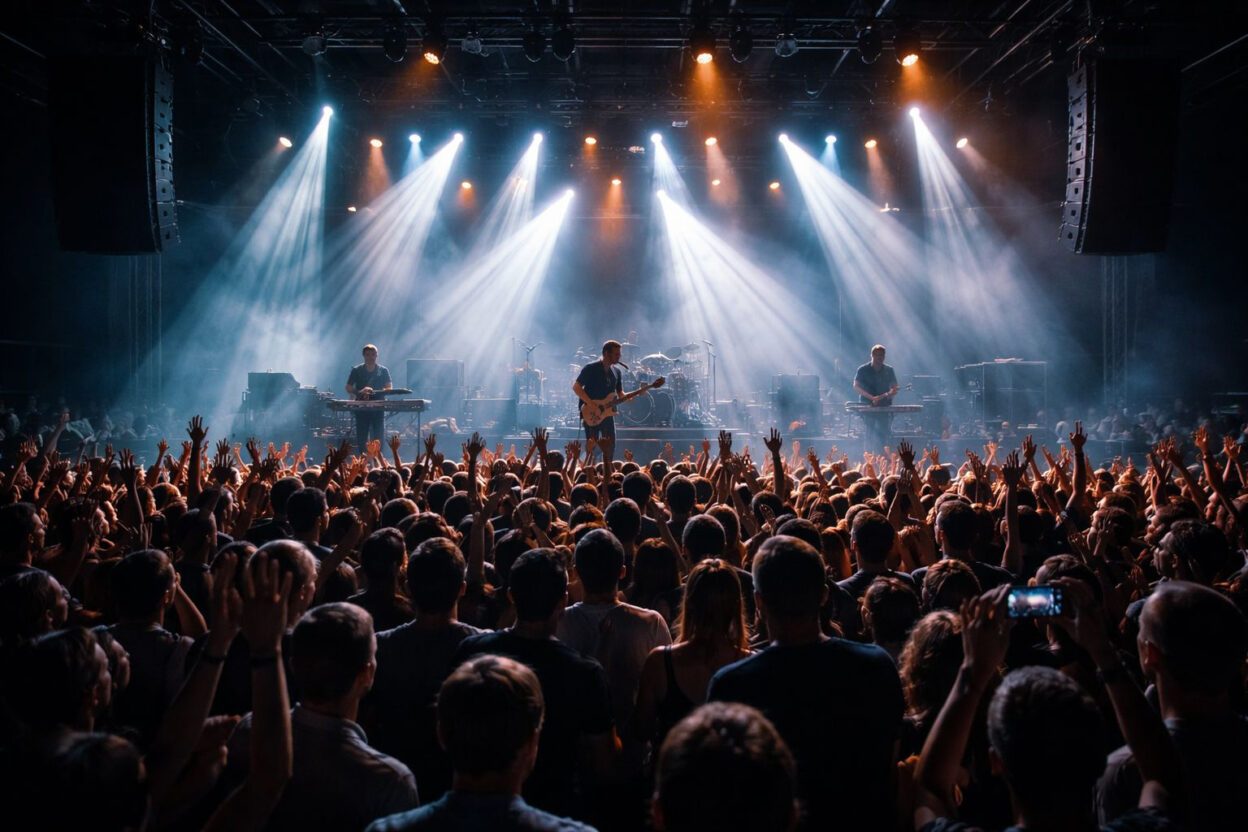
Live music has always been about shared moments—crowds moving in rhythm, artists feeding off audience energy, and memories formed in real time. In today’s digital-first world, that core experience remains, but the way people discover, attend, and engage with live performances has transformed dramatically. Much like how the spinplus ph shows traditional entertainment adapting smoothly to digital platforms, live music has embraced technology to expand reach, deepen connection, and evolve without losing its soul.
From Physical Stages to Digital Gateways
Before the internet reshaped culture, live music followed a familiar path: local gigs, radio exposure, touring circuits, and word-of-mouth. Attendance depended heavily on geography and access to physical venues. While these elements still matter, digital tools have opened new gateways. Artists now announce shows through social platforms, sell tickets online, and build global audiences long before stepping onto a major stage.
This shift has lowered barriers for emerging musicians. A band can perform at a small venue while streaming the set to fans worldwide, turning a local show into a global moment. For audiences, discovery has become easier and more inclusive, allowing fans to follow artists across borders and time zones.
Streaming’s Influence on Live Performance
Music streaming platforms changed listening habits, but they also reshaped expectations for live shows. Fans now arrive at concerts knowing deep cuts, remixes, and alternate versions discovered online. This familiarity pushes artists to design more dynamic setlists and experiences that feel fresh even to devoted listeners.
Streaming data also informs tour planning. Artists and promoters can analyze listener demographics to choose cities, venues, and dates strategically. This data-driven approach improves attendance while ensuring performances reach the most engaged audiences. As a result, tours are more targeted, efficient, and sustainable.
Social Media as the New Front Row
Social media has become an extension of the live music experience. Concert clips circulate instantly, turning performances into shareable cultural moments. For fans who can’t attend, short videos and live updates offer a sense of participation. For artists, these platforms amplify reach far beyond the venue walls.
This immediacy changes how shows are designed. Visual elements—lighting, stage design, and choreography—are crafted with digital sharing in mind. While some worry this shifts focus away from the music itself, others see it as a new creative layer that enhances storytelling and engagement.
Virtual Concerts and Hybrid Experiences
The rise of virtual concerts marked a significant milestone in live music’s evolution. Initially driven by necessity, these events revealed new possibilities. Virtual performances allow artists to connect with fans regardless of location, offering immersive visuals, interactive features, and flexible access.
Hybrid events now blend physical and digital elements. A live audience enjoys the in-person atmosphere, while online viewers participate through streams, chats, and exclusive content. This model expands accessibility, particularly for fans with mobility limitations or limited travel options, and creates additional revenue streams for artists and organizers.
Technology Enhancing the Live Sound
Advancements in audio and visual technology have elevated live performances. Modern sound systems deliver clearer, more consistent audio across venues of all sizes. Visual technologies—such as LED walls, projection mapping, and synchronized lighting—transform stages into immersive environments.
Wearable tech and mobile apps also enhance the fan experience. From real-time setlist updates to interactive light shows controlled by audience smartphones, technology fosters a sense of participation that deepens emotional connection.
The Changing Role of Venues
Venues have adapted to the digital-first era by becoming multi-purpose spaces. Many now support high-quality streaming infrastructure, digital ticketing, and data collection tools. Smaller venues benefit by reaching broader audiences online, while larger arenas integrate technology to manage crowds and personalize experiences.
At the same time, intimate spaces remain vital. In a world saturated with digital content, fans still crave authentic, close-up experiences. Venues that balance technological innovation with human connection thrive by offering moments that feel both modern and meaningful.
Fan Communities in the Digital Age
Digital platforms have strengthened fan communities around live music. Online forums, fan groups, and social channels keep conversations going long after the final encore. Fans share recordings, discuss performances, and plan meetups, extending the life of each show.
This ongoing engagement benefits artists as well. Feedback from fans influences future performances, merchandise, and tour concepts. Live music becomes a collaborative experience, shaped by dialogue between performers and their audiences.
Economic Shifts and New Opportunities
The economics of live music have evolved alongside technology. While traditional revenue streams remain important, digital-first approaches introduce new income sources such as virtual tickets, exclusive online content, and global sponsorships. Artists gain more control over distribution and branding, reducing reliance on intermediaries.
For industry professionals, these changes require adaptability. Promoters, managers, and venues must navigate both physical logistics and digital strategy. Those who succeed view technology not as a replacement for live music but as a tool that amplifies its reach and resilience.
Preserving Authenticity in a Digital World
Despite technological advances, authenticity remains the heart of live music. Fans value genuine performances where emotion and spontaneity shine through. Technology works best when it supports, rather than overshadows, the human element.
Artists who embrace this balance use digital tools to enhance storytelling while staying true to their sound and identity. The most memorable performances still rely on connection—between artist and audience, song and emotion, moment and memory.


Be the first to comment