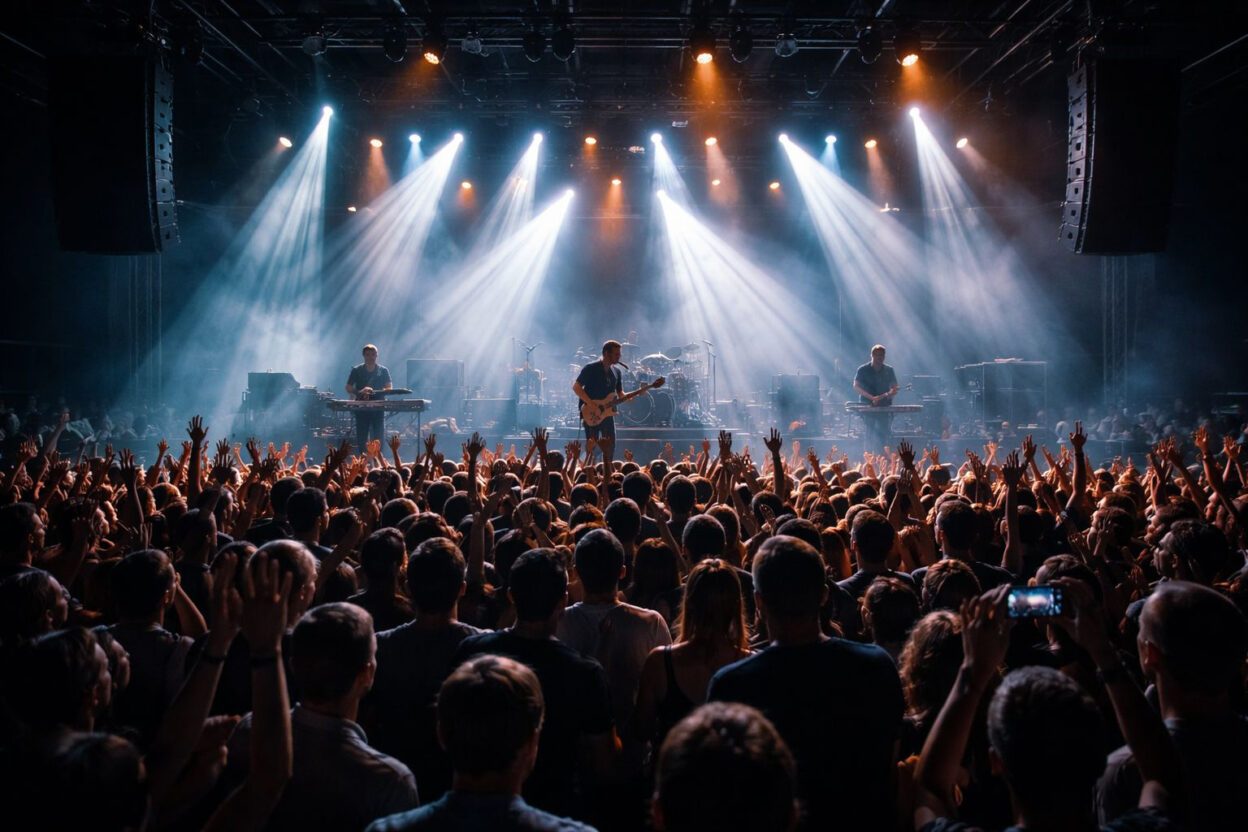
Live music remained a central force this year. Audiences returned to clubs, theaters, and open-air stages with clear expectations. They wanted accuracy, commitment, and presence. Many shows delivered exactly that. This article reviews the best live performances of the year by examining how artists approached sound, staging, and audience connection. The focus stays on observable results rather than hype or reputation.
Online casino platforms also shaped parts of the wider entertainment economy this year, especially through private events and sponsored gatherings. In this context, slotrize casino operated as a digital gambling platform focused on browser-based access, automated systems, and short-format user sessions. The platform relied on standardized interfaces, remote access, and data-driven monitoring rather than physical infrastructure. Its role stayed limited to the online gambling sector, yet it intersected with live entertainment through invitation-only events and controlled environments that hosted brief performances. These settings removed traditional venue elements and placed performers closer to small, selected audiences.
What Defined Live Performance This Year
Several shared traits appeared across standout shows. These traits did not depend on budget or scale. They reflected preparation, control, and respect for the audience.
- Clear sound balance across the full set
- Consistent pacing without extended downtime
- Setlists structured around contrast rather than volume
- Direct communication without scripted speech
- Visual elements used with restraint
Artists who followed these principles kept attention from start to finish. Smaller venues often highlighted these strengths more clearly than large festival stages.
Club Shows That Set the Standard
Club performances carried much of the year’s momentum. Limited space forced performers to rely on execution rather than spectacle. Many acts adjusted arrangements to fit the room. They shortened intros, tightened transitions, and focused on vocal control.
In several cities, electronic artists performed live hardware sets instead of playback-heavy formats. This choice increased risk but rewarded listeners with audible variation from night to night. Rock and alternative groups often stripped down effects and emphasized rhythm sections. These decisions improved clarity and reduced fatigue during longer sets.
Audience behavior also changed. Crowds listened more closely and reacted to detail rather than volume spikes. Performers responded by pacing shows with intent.
Theater Performances and Controlled Presentation
Mid-sized theaters hosted some of the most disciplined performances of the year. These venues allowed precise lighting and stable acoustics without the distance of arenas.
Artists used theaters to:
- Present full albums in sequence
- Test extended instrumental passages
- Integrate spoken introductions with restraint
- Maintain consistent tempo across long sets
Seated audiences often stayed engaged throughout. Performers adjusted delivery to match the setting. They avoided crowd prompts and focused on continuity. This approach created a listening environment closer to a recorded session while preserving live variation.
Outdoor Stages and Environmental Limits
Outdoor performances faced unpredictable conditions. Weather, sound bleed, and time limits affected many sets. The strongest shows acknowledged these limits early.
Performers who succeeded outdoors shared several habits:
- Shortened songs without altering structure
- Reduced low-end frequencies to prevent distortion
- Used visual cues instead of spoken instructions
- Maintained eye contact with front sections
Rather than attempting scale, these artists prioritized coherence. Their sets felt complete even within restricted timeframes.
Regional Trends in Live Performance
Different regions showed distinct patterns in how artists approached the stage. These patterns reflected venue culture and audience expectations.
RegionCommon Venue TypePerformance Focus
| Northern Europe | Clubs and theaters | Precision and minimal speech |
| Southern Europe | Outdoor stages | Rhythm and pacing |
| North America | Mixed venues | Setlist variation |
| East Asia | Theaters | Technical accuracy |
These trends shaped how performers structured shows and interacted with listeners.
Use of Visuals and Lighting
Visual elements played a supporting role rather than a dominant one. Many artists reduced screen usage and relied on static lighting states. This decision kept attention on sound and movement.
Effective visual strategies included:
- Fixed color palettes for entire sections
- Slow transitions instead of rapid changes
- Minimal text or imagery
- Lighting cues aligned with tempo shifts
Shows that avoided constant visual stimulation allowed audiences to focus on performance detail.
Setlist Construction and Flow
Setlist design mattered more than volume or speed. Artists who planned transitions carefully maintained energy without fatigue.
Effective setlists shared several traits:
- Early placement of mid-tempo material
- Alternation between dense and sparse arrangements
- Limited encore segments
- Clear closing tracks rather than crowd polls
Some performers rotated setlists nightly. Others kept structure stable while changing order. Both approaches worked when artists committed fully to execution.
Audience Interaction Without Disruption
Audience interaction remained direct but limited. Performers avoided extended monologues. They addressed crowds briefly and returned to music without delay.
This approach respected attention spans and kept momentum intact. It also reduced reliance on scripted lines. Listeners responded with sustained focus rather than sporadic bursts.
Technical Consistency Across Tours
Touring acts who maintained consistent sound quality across locations stood out. They adjusted mixes per venue instead of relying on fixed settings.
Key practices included:
- Daily sound checks with full band presence
- Backup equipment tested before doors opened
- Communication between performers and engineers during sets
These habits reduced errors and improved reliability. They also allowed performers to concentrate on delivery rather than correction.
Genre-Specific Observations
Different genres emphasized different strengths during live shows.
- Electronic acts focused on structure and gradual change
- Rock groups emphasized rhythm stability
- Experimental performers prioritized timing and silence
- Pop-oriented sets relied on vocal accuracy
Each approach succeeded when artists aligned intent with execution.
Independent Venues and Community Support
Independent venues hosted many of the year’s most focused performances. These spaces encouraged risk without pressure to scale.
Artists used these venues to test new material and alternate arrangements. Audiences accepted imperfections and responded to effort. This exchange reinforced trust between performer and listener.
Some venues also hosted multi-night runs. These runs allowed artists to adjust pacing and refine delivery. Results improved with each night.
Data Snapshot: Performance Characteristics
ElementObserved Frequency
| Shortened sets | High |
| Reduced visual effects | Moderate |
| Live instrumentation over playback | Increasing |
| Spoken segments under one minute | High |
The Role of Documentation
Recording and streaming live shows influenced performance choices. Artists knew that audiences would revisit footage. This awareness encouraged precision and reduced improvisation in some cases.
Others accepted variation as part of live work. They maintained intent while allowing differences between nights.
Why These Performances Mattered
The best live performances of the year shared discipline rather than spectacle. Artists focused on clarity, timing, and respect for listeners. They adjusted to space and conditions instead of resisting them.
This year showed that strong live work does not require excess. It requires preparation, awareness, and commitment to sound. These qualities defined the most effective performances across venues and regions.

Be the first to comment