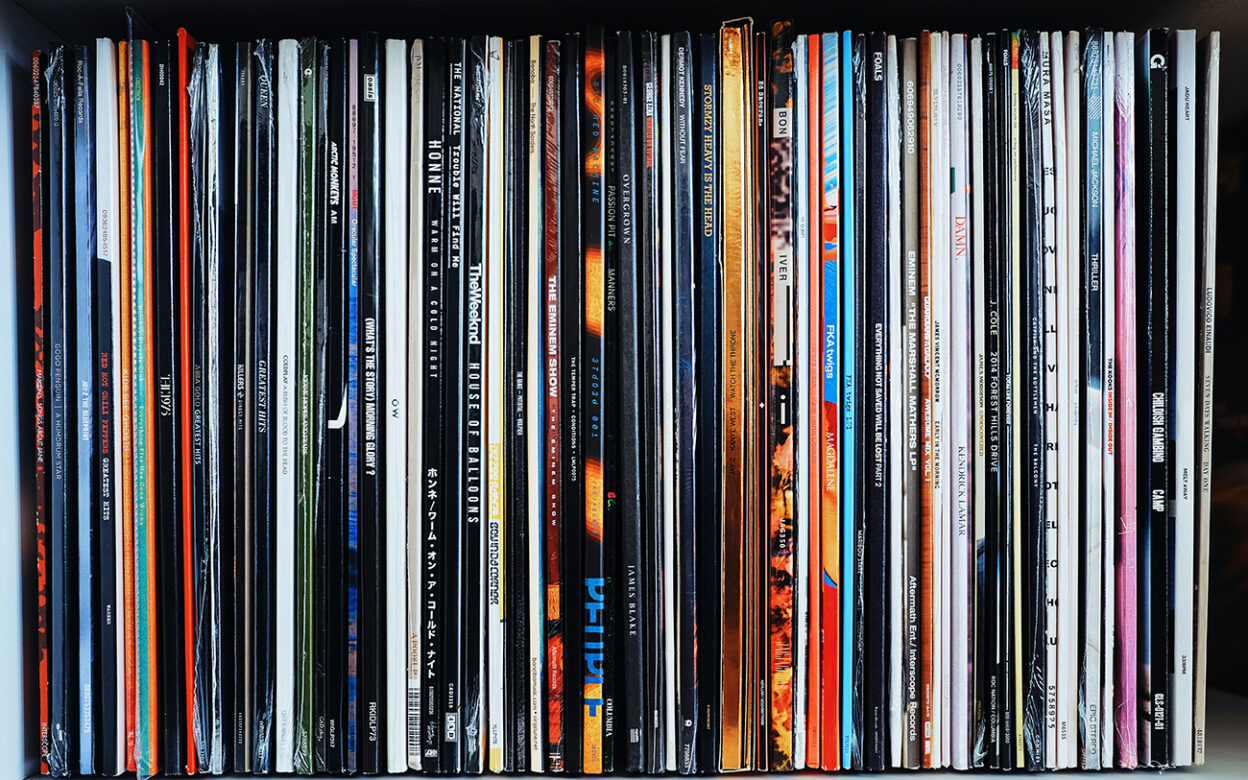
Music once demanded your full attention. You would put on a record, sit back, and listen from start to finish. Today, listening tends to be only one part of a wider digital routine. This is called second-screen culture.
Second-screen culture has transformed how fans engage with music. Many now stream songs while browsing, messaging, and exploring other platforms at the same time. This move isn’t down to shorter attention spans. It highlights how modern audiences prefer flexible, layered entertainment.
Music is now the backdrop to a personalised digital environment.
How Listening Becomes a Shared Experience
For many fans, the second screen adds context and connection. Consider when a major release drops. Social media is filled with instant reactions, lyric interpretations, track rankings, and more. Group chats become real-time listening parties, where they recreate the energy of a shared experience – even when listeners are apart.
Streaming services have embraced this behaviour. From integrated lyrics to easy sharing tools, they encourage users to interact with music rather than simply press play. What if fans want to deepen their appreciation of the music? They can use a second device to research the likes of producers and behind-the-scenes details.
Music as the Soundtrack to Digital Life
Social interaction is only the start. Music now accompanies a wide range of online activities. Many listeners treat playlists as background energy while:
- Browsing content
- Shopping
- Gaming
- Catching up on the news
- Working
Long DJ mixes, lo-fi streams, curated mood playlists as these are all especially suited to this multitasking style.
The key trend here is flexibility. Audiences want entertainment to fit around their schedule and attention level. Rather than commit to one activity, they move fluidly between several, with music providing a consistent emotional tone.
Instant Access Platforms Fit the Flow
Second-screen habits have also contributed to the popularity of instant access entertainment. Think about it. Platforms requiring no downloads and lengthy registration processes are especially appealing for short listening breaks or quiet moments between tracks.
Take online casino kanuuna.com as an example. It operates entirely through a browser, allowing users to explore interactive experiences without interrupting their music session. There’s also no requirement to register an account. This kind of accessibility matches modern expectations: quick entry and the freedom to switch activities whenever the mood changes.
A Generational Move for Attention Spans
It’s no surprise that younger audiences, particularly Gen Z, are driving the vehicle behind this evolution.
They are comfortable using multiple apps simultaneously and see multitasking as the norm – not the exception. A new song, for instance, could see people check trending hashtags, watch reaction videos, and even create short-form content inspired by the track.
For artists and entertainment brands, this behaviour has changed how releases are promoted. Album launches now include everything from digital challenges to social campaigns, where everything is designed to keep fans engaged across multiple platforms at once.
Conclusion
It can be easy to think the other way, but second-screen culture doesn’t diminish the role of music. If anything, it reinforces its importance. Songs offer the emotional backdrop for everything else happening online, shaping mood and concentration throughout the day.



Be the first to comment