
Nowadays, the idea of a global music band has changed. Artists no longer just make music, but they are brand-building machines that are across all types of industries in a bid to make money and increase their global presence. It is normal to see brand collaborations between musicians and companies like Nike, Adidas or any other leading retailer. For today’s acts, these partnerships are just as important as the number of streams on digital platforms.
Extending Entertainment Beyond Music
Although not the be-all and end-all for artists, digital platforms can help build brand presence. Social media, livestreams and interactive content are pursued by artists in order to attract and engage fans. It mirrors the broader trend in society and entertainment. For example, we can see this in other sectors of entertainment, like iGaming. Alongside providing popular slots online, these sites also offer live-hosted experiences with real dealers that bridge the gap between the real and the digital worlds. This reflects how digital entertainment has evolved and now prioritises engagement. In the music world, platforms which allow live streaming services can create connections between fans and artists and shape an artist’s trajectory.
How a ‘Multi-Dimensional Artist’ Is Created
Artists have moved on from just creating music. Some have fashioned a visual identity that is equally as famous as their music with distinguishing features like distinctive fashion and cinematic videos. Others have built a reputation through leaning into social culture and modernity to make their brand famous for ideas rather than just music. While it’s not uncommon for bands and artists to completely change their style of music and presentation years after bursting onto the music scene in a completely different genre.
Artists need to do this to grow their exposure. According to IFPI’s Global Music Report, music revenues grew by 10% driven by streaming and digital entertainment. It has encouraged artists to create festivals and fashion brands to extend their influence beyond just music.
Expanding Into Fashion, Film, and Culture
Of course, we can’t talk about musicians and their influence without talking about fashion. Multiple rappers have had success in the fashion sector on the back of the popularity of their music. While brands like Fenty, a billion-dollar brand, were built from a brand identity made from music. It’s no wonder, because by 2030, the global music industry is expected to generate $130 billion in revenue, driven by partnerships and non-music ventures.
Film and television have always been areas that musicians have looked to move into. Some bands have invested in cinematic visuals to create an artistic universe, while other artists have starred in movies that reinforce their musical persona but on the big screen.
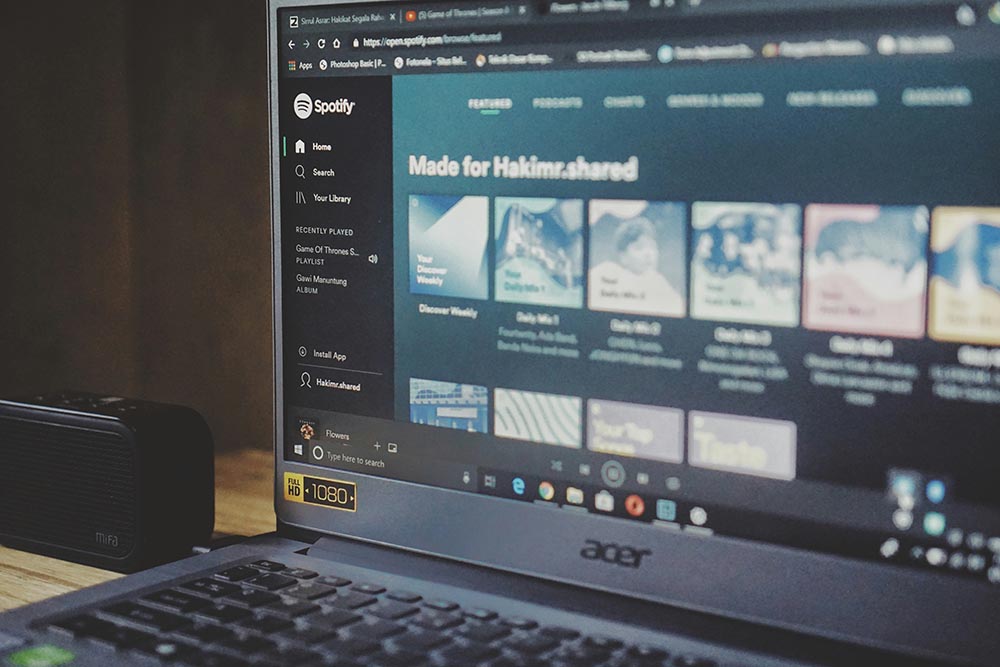
This multi-platform approach works as it aligns with social trends and how we consume content. We now engage with artists across numerous platforms, whether it be Spotify or Instagram. As long as it’s a cohesive strategy, it allows artists to build their brand and sustain it for years. For any bands looking to break through or remain relevant, these days, music just isn’t enough.

Be the first to comment